Collective Healing Series #4: The Weight of Being Strong
Redefining Strength and Vulnerability in African American Communities
"Strength is not measured by how much pain we can carry. True strength is measured by our willingness to heal from it." — Dr. Shaquilla Cooper
If you ask many African Americans what they were taught growing up about handling adversity, you will likely hear familiar phrases:
"Be strong."
"Keep pushing."
"Don't let them see you cry."
"Handle your business."
"You've got to make it somehow."
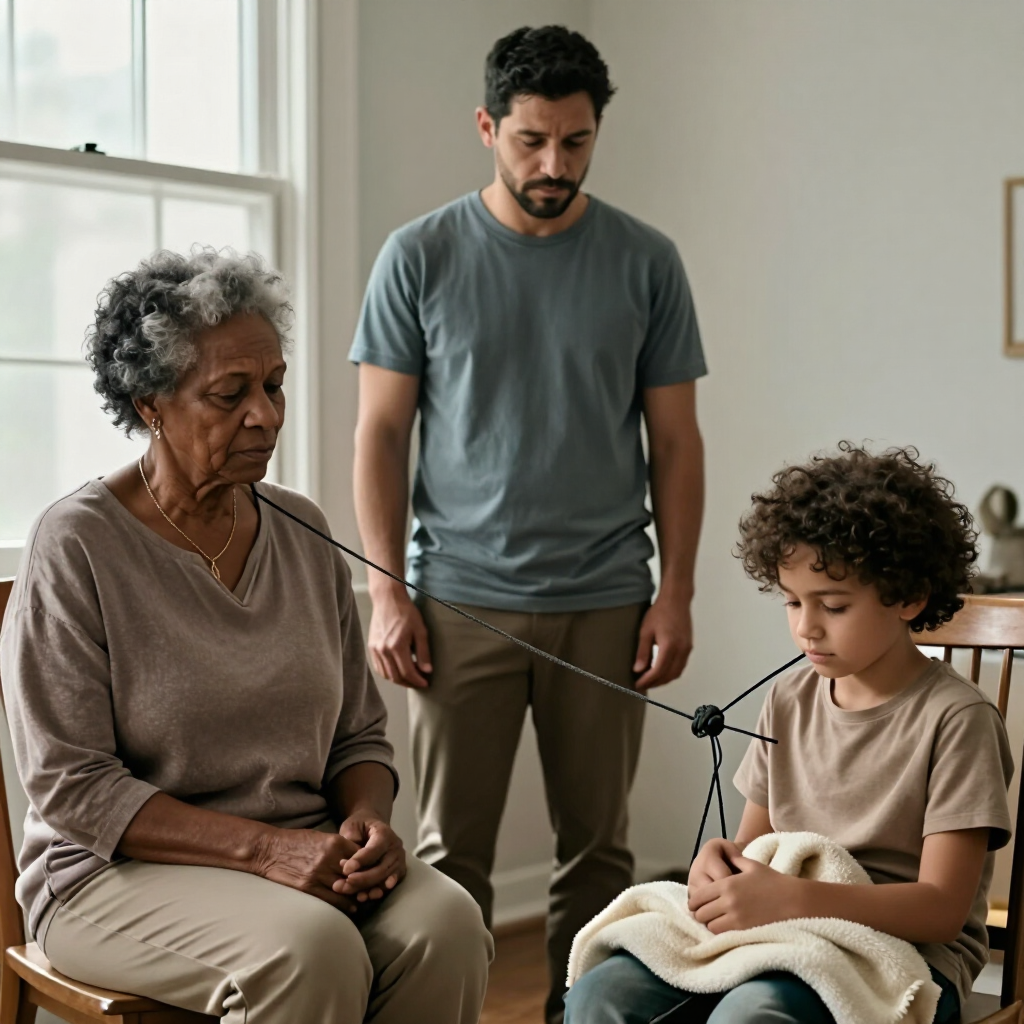
These messages often came from parents, grandparents, caregivers, and elders who loved us deeply. They weren't trying to teach us to ignore our emotions—they were teaching us how to survive in a world that often demanded resilience.
For generations, strength became more than a personal characteristic. It became a cultural expectation.
But while strength has helped many families endure unimaginable hardships, carrying the weight of always being strong can also come at a cost.
At Home Away from Home Therapeutic Center (HAHTC) LLC, we believe that healing begins when we expand our definition of strength to include vulnerability, connection, and self-compassion.
Where Did the "Strong" Identity Come From?
The expectation to always be strong did not appear overnight.
It developed through generations of overcoming systemic barriers, racial injustice, economic challenges, family responsibilities, and community adversity.
Many African American families learned that survival depended on perseverance.
Showing vulnerability often felt unsafe.
As a result, many people learned to:
- Push through emotional pain.
- Hide sadness behind a smile.
- Continue working despite exhaustion.
- Care for everyone else before caring for themselves.
- Carry burdens in silence.
These strategies helped previous generations survive.
However, surviving and healing are not the same.
When Strength Becomes Heavy
Being dependable, resilient, and determined are admirable qualities.
Problems arise when strength becomes something we feel we can never set down.
Over time, constantly suppressing emotions may contribute to:
- Chronic stress
- Anxiety
- Depression
- Burnout
- Emotional numbness
- Difficulty asking for help
- Physical health concerns
- Relationship strain
- Feeling isolated, even when surrounded by others
Many people continue functioning at a high level while silently struggling beneath the surface.
Just because someone appears strong does not mean they are not hurting.
Vulnerability Is Not Weakness
One of the greatest myths surrounding emotional health is that vulnerability makes us weak.
The opposite is true.
Vulnerability requires courage.
It takes courage to admit:
- "I'm overwhelmed."
- "I don't know what to do."
- "I'm grieving."
- "I'm anxious."
- "I'm struggling."
- "I need support."
These conversations often become the first steps toward healing.
The Cost of Carrying Everything Alone
Many adults were taught to become the helper, the caregiver, the provider, or the problem-solver.
While these roles are valuable, constantly carrying everyone else's needs can leave little room to care for your own.
Over time, emotional exhaustion can affect every area of life, including:
- Parenting
- Marriage and relationships
- Friendships
- Career performance
- Physical health
- Spiritual well-being
- Overall quality of life
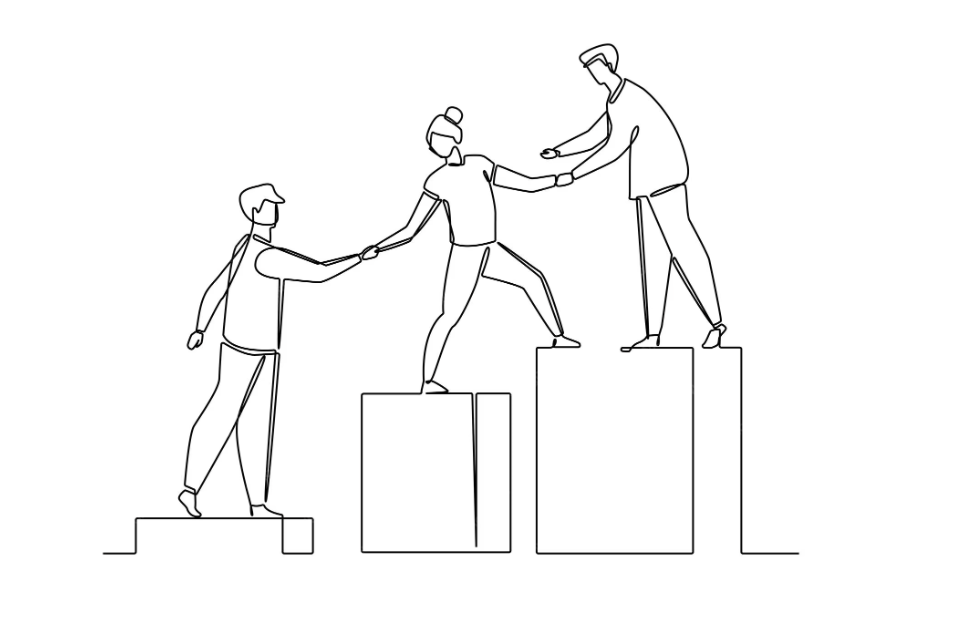
Healing begins when we recognize that asking for support does not diminish our strength—it preserves it.
What Healthy Strength Looks Like
Healthy strength is not about pretending everything is okay.
Healthy strength means:
- Setting healthy boundaries.
- Resting without guilt.
- Expressing emotions honestly.
- Seeking therapy when needed.
- Building supportive relationships.
- Learning healthier coping skills.
- Extending compassion to yourself.
- Giving yourself permission to heal.
These are not signs of weakness.
They are signs of emotional maturity.
Redefining the Legacy We Leave
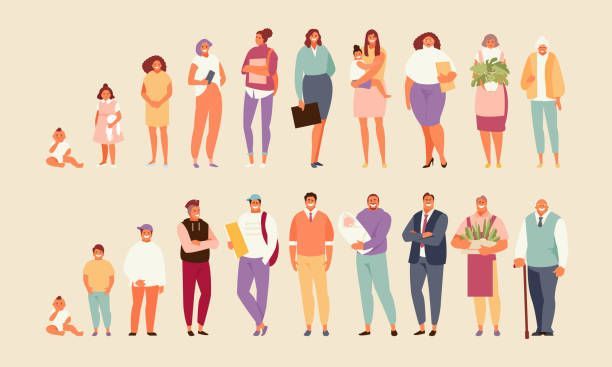
Every generation teaches the next what strength looks like.
Imagine children growing up hearing:
"It's okay to cry."
"It's okay to ask for help."
"Your feelings matter."
"You don't have to carry everything by yourself."
Those messages create emotionally healthier families.
When adults model healthy emotional expression, they give younger generations permission to do the same.
This is how generational healing begins.
Healing Is an Act of Courage
Choosing therapy.
Setting boundaries.
Processing grief.
Learning to trust again.
Speaking about trauma.
Breaking unhealthy family patterns.
Each of these decisions requires courage.
Healing is not about becoming less resilient.
It is about allowing resilience to be supported by compassion, connection, and hope.
Home Away from Home Therapeutic Center (HAHTC) LLC Is Here to Walk Alongside You
At HAHTC, we recognize the strength it takes to ask for help.
Our trauma-informed, culturally responsive team provides a safe and supportive environment where individuals and families can explore their experiences without judgment.
Whether you are navigating anxiety, depression, trauma, grief, relationship challenges, burnout, or major life transitions, we are here to support your journey toward healing.
You have carried enough on your own.
You don't have to continue carrying it alone.
Strength Includes Healing
The generations before us taught us how to survive.
Our generation has the opportunity to teach the next how to heal.
Strength is not found in silent suffering.
Strength is found in choosing hope over hopelessness, connection over isolation, and healing over hiding.
If you're ready to begin that journey, HAHTC is here to help.
Because the strongest thing you may ever do is give yourself permission to heal.