Collective Healing Series #2: How Trauma Shapes Parenting Across Generations
Breaking Cycles Without Blame

"Every parent gives their child something. Our goal is to ensure that what we pass down includes healing, hope, and emotional safety." — Dr. Shaquilla Cooper
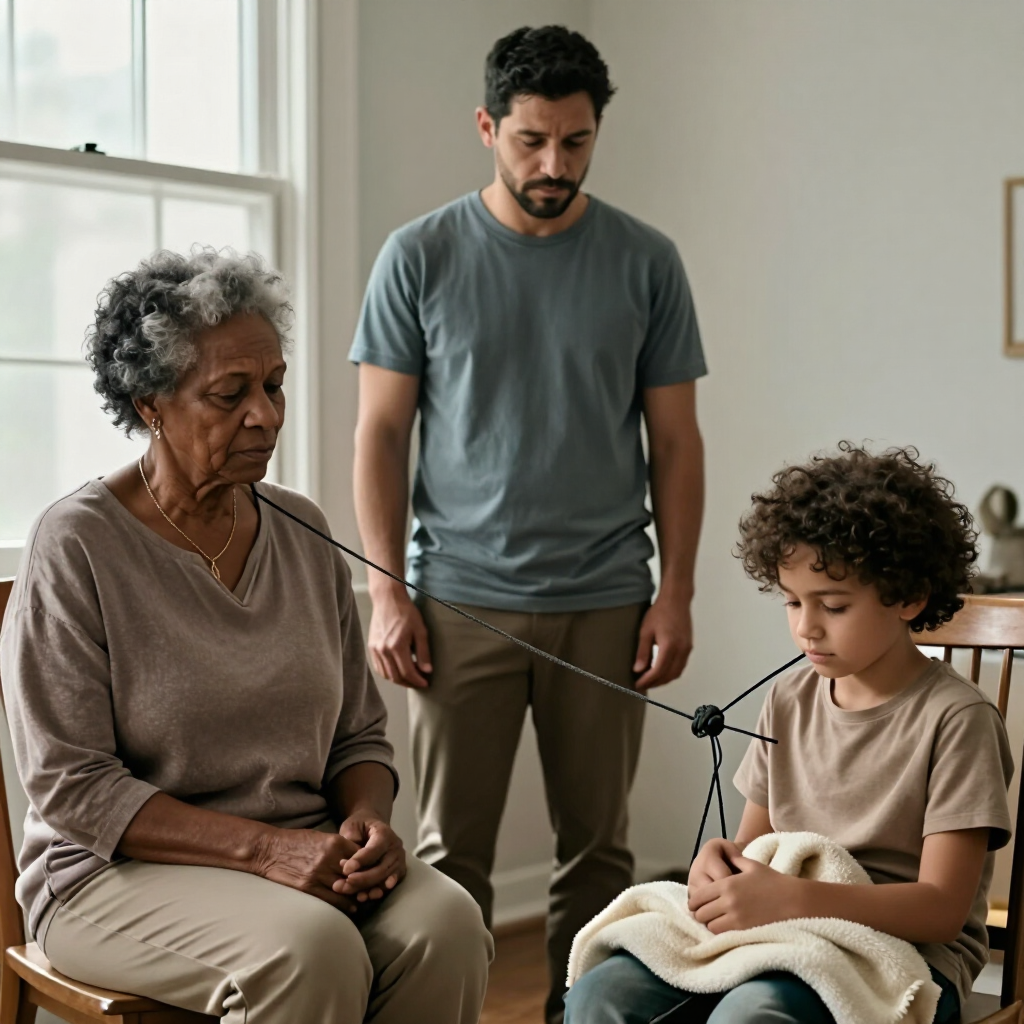
One of the greatest misconceptions about generational trauma is that it is about blaming parents or previous generations.
It isn't.
In fact, most parents deeply love their children and genuinely want better for them.
The reality is that we often parent from what we experienced—not necessarily from what we intended.
Without realizing it, unresolved trauma, chronic stress, and learned survival strategies can influence how we communicate, discipline, express affection, manage conflict, and respond to our children's emotions.
The encouraging news is this:
Awareness creates opportunity.
When we understand these patterns, we gain the ability to change them.
Parenting Is Learned
No one is born knowing how to parent.
Most of us learn from what we witnessed growing up.
Some people experienced homes filled with love, encouragement, and emotional safety.
Others experienced environments marked by:
- High stress
- Emotional distance
- Harsh discipline
- Inconsistent caregiving
- Substance misuse
- Domestic violence
- Community violence
- Poverty
- Unresolved grief
- Mental health challenges
Children naturally assume these experiences are "normal."
As adults, they may unknowingly repeat familiar patterns—not because they want to, but because those patterns became their blueprint for relationships.
Survival Strategies Can Become Parenting Styles
Many parenting behaviors begin as survival responses.
For example:
- A parent who experienced unpredictable environments may become highly controlling because control feels safe.
- A parent who learned to suppress emotions may struggle to comfort a child expressing sadness.
- A caregiver raised with harsh criticism may unintentionally repeat those same words during moments of stress.
These behaviors are rarely rooted in a lack of love.
They are often rooted in unresolved pain.
Children Need More Than Protection
Parents naturally want to keep their children physically safe.
But children also need emotional safety.
Emotional safety develops when children know they can:
- Express their feelings without fear
- Make mistakes while still feeling loved
- Ask questions
- Feel heard and understood
- Receive comfort during difficult moments
- Trust that adults will respond consistently
When children experience emotional safety, they are more likely to develop healthy self-esteem, emotional regulation, resilience, and secure relationships.
Healing Doesn't Require Perfect Parenting
Many parents worry they have already made too many mistakes.
The truth is:
- There are no perfect parents.
- Children do not need perfection.
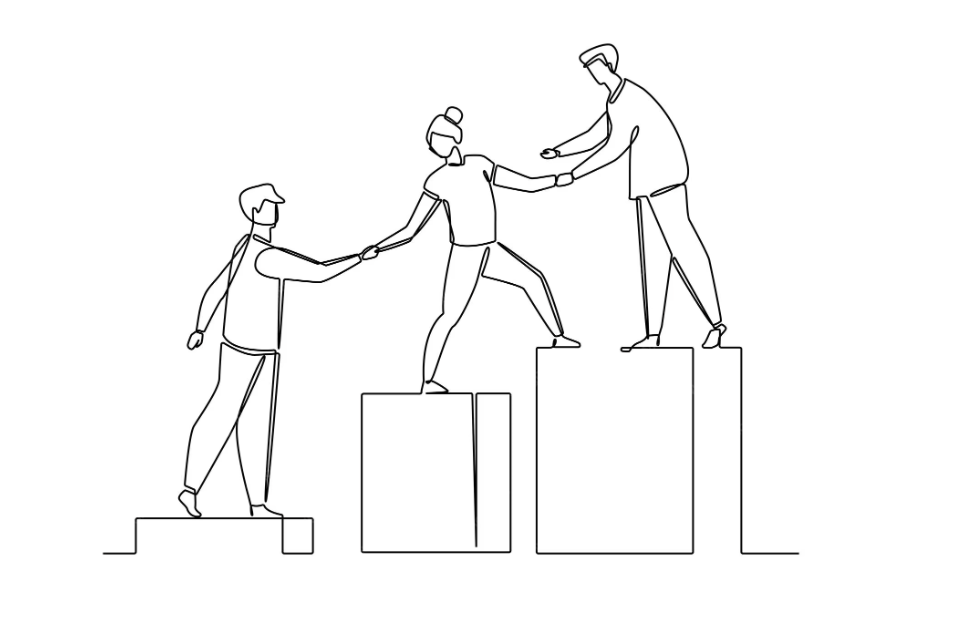
- They need adults who are willing to repair, apologize, grow, and continue learning.
- One heartfelt conversation can begin restoring trust.
- One sincere apology can model accountability.
- One healthy response can begin changing a family's future.
Breaking Cycles Starts with Self-Awareness
Healing often begins with simple questions:
- How did my childhood shape the way I respond to stress?
- What messages did I receive about emotions?
- How was conflict handled in my family?
- What do I want my children to experience differently?
- Which family strengths do I want to preserve?
- Which patterns no longer serve my family?
These questions invite reflection—not judgment.
Therapy Can Help Families Heal Together
Many parents believe therapy is only for children who are struggling.
In reality, therapy often helps the entire family.
It provides opportunities to:
- Improve communication
- Strengthen parent-child relationships
- Develop healthy discipline strategies
- Learn emotional regulation skills
- Process trauma and grief
- Build trust
- Resolve family conflict
- Increase confidence as parents and caregivers
Healing one relationship within a family often creates positive change throughout the entire household.
Collective Healing Begins at Home
When one family begins healing, the effects often extend beyond the home.
Children carry healthier coping skills into schools.
Parents build stronger community relationships.
Families become better equipped to support neighbors, friends, and future generations.
This is the heart of collective healing.
One conversation.
One family.
One community at a time.
Home Away from Home Therapeutic Center (HAHTC) LLC Is Here to Support Your Family
At Home Away from Home Therapeutic Center (HAHTC) LLC, we understand that parenting is both rewarding and challenging.
Our trauma-informed, culturally responsive approach helps children, adolescents, adults, and families strengthen relationships while addressing the emotional experiences that influence everyday life.
Whether your family is navigating behavioral concerns, anxiety, trauma, communication challenges, parenting stress, or major life transitions, our compassionate team is here to help.
Together, we can create healthier relationships that support not only today's children but generations to come.
Healing Is One of the Greatest Gifts You Can Pass Down
Your family history has shaped you.
It does not have to define your future.
Every healthy conversation...
Every repaired relationship...
Every courageous decision to seek support...
Creates a new legacy.
If you're ready to strengthen your family and begin breaking unhealthy cycles, HAHTC is here to walk alongside you.
Because healing doesn't just change one life.
It changes generations.