Collective Healing Series #1: The Science of Intergenerational Trauma
How Trauma Can Be Passed Across Generations
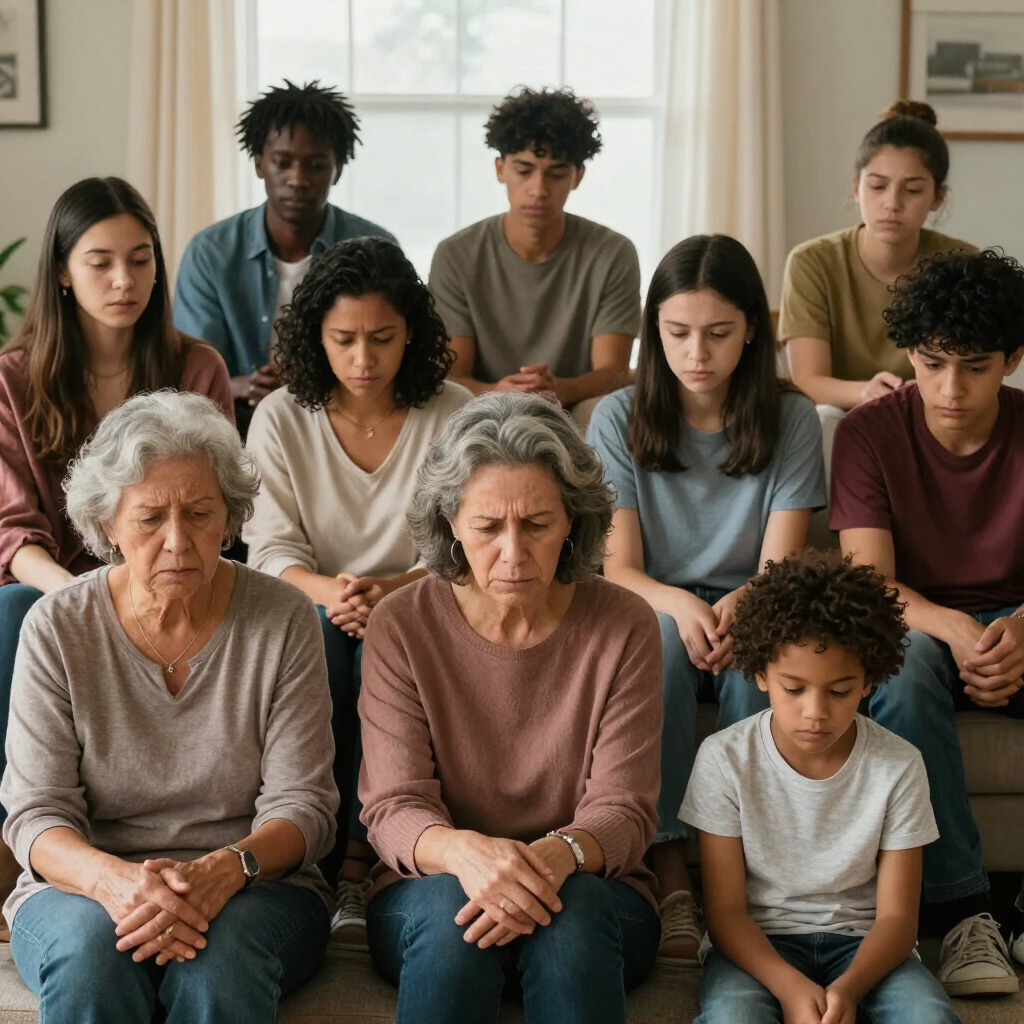
"When we understand the science behind trauma, we replace shame with compassion and create space for healing." — Dr. Shaquilla Cooper
Many people have heard the phrase "generational trauma," but fewer understand how trauma can influence families long after the original traumatic events have occurred.
Questions like these are common:
- Why does anxiety seem to run in families?
- Why do unhealthy relationship patterns repeat generation after generation?
- Why do some families struggle to express emotions?
- Why do certain fears seem to exist even when no one talks about them?
The answers are often more complex than simply "that's how we were raised."
Research in psychology, neuroscience, and epigenetics suggests that trauma can affect individuals, families, and even future generations in profound ways.
At Home Away from Home Therapeutic Center (HAHTC) LLC, we believe that understanding trauma is one of the first steps toward breaking unhealthy cycles and creating healthier futures.
What Is Intergenerational Trauma?
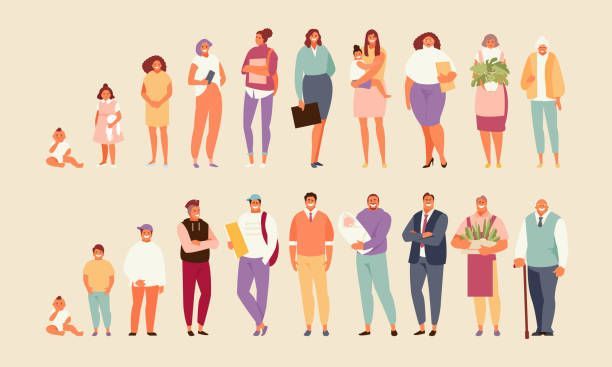
Intergenerational trauma refers to the emotional, behavioral, psychological, and physiological effects of trauma that are passed from one generation to the next.
This does not mean trauma is your destiny.
Rather, it means that experiences—especially chronic or overwhelming ones—can shape how people respond to stress, build relationships, parent their children, and view the world.
Without support and healing, these patterns may continue across generations.
How Trauma Changes the Brain
Trauma affects more than memories.
It changes how the brain responds to danger.
When someone experiences overwhelming stress, areas of the brain responsible for survival become highly active.
Over time, this can lead to:
- Constant alertness or hypervigilance
- Difficulty trusting others
- Emotional numbness
- Trouble concentrating
- Anxiety and panic
- Sleep disturbances
- Difficulty regulating emotions
Although these responses once helped people survive, they may continue long after the danger has passed.
Trauma Is Also Learned
Children learn far more from what they experience than from what they are told.
They observe:
- How adults manage stress
- How conflict is handled
- Whether emotions are expressed or avoided
- How affection is shown
- Whether asking for help feels safe
- How problems are solved
When caregivers have unresolved trauma, children often adapt to those environments in ways that make sense at the time.
Those adaptations can later become barriers to healthy relationships and emotional well-being.
The Role of Chronic Stress
Scientists continue to study how chronic stress affects the body over time.
Research suggests that prolonged exposure to stress hormones can influence physical health, emotional regulation, and even the body's biological stress-response systems.
While scientists are still learning how these changes may influence future generations, one thing is clear:
Living in environments of chronic stress has lasting effects on health and wellness.
This is why addressing trauma early matters.
Why This Matters for African American Communities
For many African American families, today's stress cannot be fully understood without acknowledging history.
Generations have navigated:
- Slavery and its lasting effects
- Segregation
- Racial discrimination
- Economic inequality
- Community violence
- Health disparities
- Educational inequities
- Housing discrimination
- Ongoing racial stress
These experiences have required extraordinary resilience.
However, resilience should never be confused with the absence of pain.
Understanding this history allows us to replace blame with empathy and opens the door for healing rooted in cultural understanding.
Healing Changes the Future
One of the most hopeful discoveries about the brain is its ability to change.
This process, called neuroplasticity, means the brain can develop healthier pathways through intentional practice, supportive relationships, and effective treatment.
Healing is possible through:
- Trauma-informed therapy
- Healthy relationships
- Emotional regulation skills
- Community support
- Mindfulness and stress reduction
- Consistent self-care
- Safe environments
- Culturally responsive mental health services
Every healthy choice strengthens new patterns that benefit not only you, but also future generations.
You Have the Power to Break the Cycle
Healing from trauma is not about blaming parents, grandparents, or previous generations.
Many did the very best they could with the knowledge, resources, and support they had.
Today, we have an opportunity to learn more, understand more, and heal differently.
Choosing therapy, developing healthier coping skills, learning new ways to communicate, and caring for your mental health are powerful ways to change what gets passed on.
Home Away from Home Therapeutic Center (HAHTC) LLC Is Here to Walk Beside You
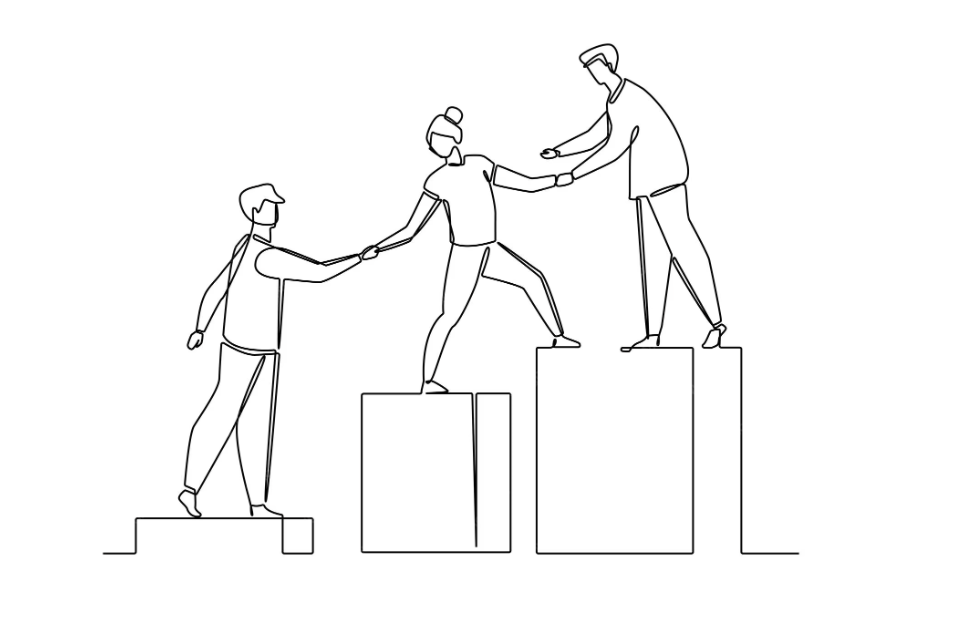
Healing is not something you have to do alone.
At HAHTC, we provide trauma-informed, culturally responsive care that recognizes the lasting impact of trauma while focusing on each person's strengths, resilience, and capacity for growth.
Whether you're experiencing anxiety, depression, trauma, grief, relationship difficulties, parenting challenges, or major life transitions, our team is here to support you with compassion and respect.
Together, we can help you understand your story, build healthier patterns, and create a legacy of healing for generations to come.
Healing Begins with One Step
The experiences of previous generations may have shaped your story—but they do not have to define your future.
If you're ready to begin your healing journey, contact HAHTC today to learn more about our mental health services.
Healing yourself may be one of the greatest gifts you ever give the next generation.